What is New World Screwworm?
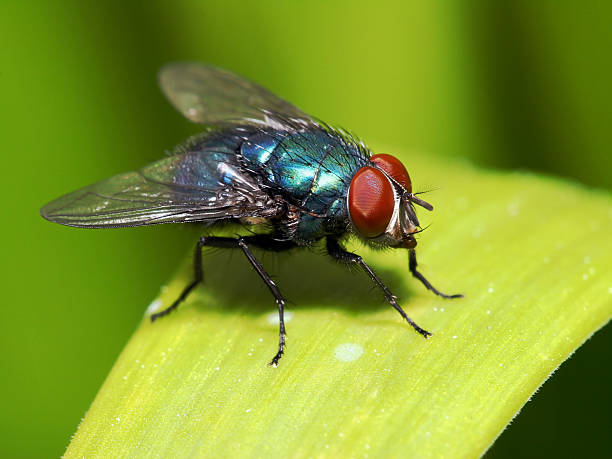
New World Screwworm (NWS), Cochliomyia hominivorax, is a parasitic fly whose larvae feed on the living tissue of warm-blooded animals. Unlike most flies that lay eggs on dead or decaying tissue, the New World Screwworm deposits eggs in open wounds, where the larvae hatch and burrow into healthy tissue.
Because the larvae continue feeding as they grow, infestations can quickly become severe if left untreated. Early recognition and prompt veterinary care are essential.
Signs of a New World Screwworm Infestation
As larvae burrow deeper into the tissue, affected animals may experience:
- Irritation around the wound
- Anxiety, restlessness, or agitation
- Persistent rubbing or biting at the affected area
- Open wounds on the ears, nose, eyes, navel, genital area, or existing injuries
- Bloody or foul-smelling discharge from the wound
- Wounds that appear larger or worsen over time
Which Animals Are at Risk?
Any warm-blooded animal can become infected, including:
- Dogs
- Cats
- Livestock
- Wildlife
- Humans (rarely)
Female screwworm flies are attracted to fresh wounds, including:
- Cuts and scrapes
- Surgical incisions
- Tick bites
- Umbilical cords of newborn animals
- Ear wounds
- Skin infections or other open sores
Once eggs hatch, the larvae feed on healthy tissue, making early treatment critical.
Is Prevention Possible?
Preventing wounds whenever possible is the first line of defense. Because flies are attracted to open wounds, promptly cleaning and treating injuries can help reduce the risk of infestation.
For dogs, veterinarian-recommended parasite preventatives such as NexGard® and Simparica Trio® may provide protection against New World Screwworm. Your veterinarian can recommend the most appropriate prevention plan based on your pet’s lifestyle and risk factors.
What Should I Do if I Suspect New World Screwworm?
If you notice a wound containing larvae or observe any signs consistent with a screwworm infestation:
Contact us immediately.
Do not delay treatment, as larvae can rapidly damage healthy tissue.
We will examine the wound, remove the larvae, and provide the appropriate treatment and follow-up care.
Early diagnosis and treatment greatly improve the outcome for affected animals.
Resources
- Texas AgriLife Extension
- Science Direct
- Kentucky Department of Agriculture
- U.S. Food and Drug Administration